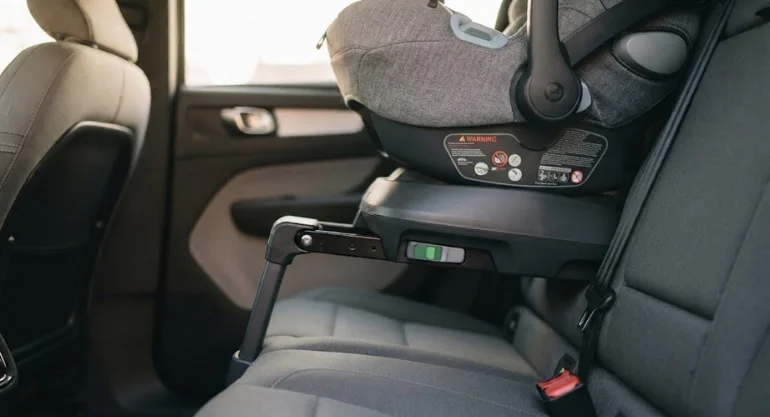
Spilled milk, squashed rusks, muddy shoes and the odd nappy leak all end up in a baby car seat sooner or later. Cleaning it is worth doing properly, not just for hygiene and smell, but because a car seat is safety equipment, and the wrong cleaning method can quietly weaken the parts that protect your child in a crash. This guide covers the whole job in one place: what to use, how to deal with stains, how to wash the cover, how to clean the harness without damaging it, and the mistakes worth avoiding. Babymore has you all covered when it comes to cleaning your baby’s car seat. Do not fret and read along.
To clean a baby car seat, check the manufacturer’s manual first, then take the seat out of the car and vacuum out the crumbs. Spot-clean stains by blotting with a soft cloth and mild soap in warm water, and wash the fabric cover only if the manual allows it (usually a gentle, cool cycle or hand wash, with no bleach, fabric softener or tumble drying). Wipe the harness straps and buckle with a damp cloth only; never soak, machine-wash or use harsh chemicals on them. Let every part air dry completely away from radiators and direct sunlight, then refit the cover and check the harness is flat, untwisted and clicks securely before putting the seat back in the car.
A car seat that is cleaned regularly is more pleasant for your baby and easier to look after. Cleaning cuts down on bacteria, mould and lingering smells, and removes the food residue that attracts insects. It also stops grit and crumbs from working into buckles and adjusters, where they can make mechanisms stiff.
The more important reason is safety. Cleaning it the right way helps preserve the seat’s performance, because harsh products and rough handling can damage flame-retardant fabrics and weaken harness webbing. If you’re not sure how long a seat should stay in use before it needs replacing rather than cleaning, our guide to understanding car seat limits explains what to look for.
You don’t need specialist products. Gather these before you start:
Different seats have different rules. Some covers are machine washable, others are spot-clean only, and some brands specify particular products or temperatures. Using the wrong method can damage flame-retardant materials, weaken harness straps, or affect your warranty. The manual is the final word if it disagrees with general advice, including this guide.
Removing the seat gives you proper access to the seams, the base of the shell and the spots under the harness where crumbs collect. If your seat uses a base, you can usually leave the base fitted and only lift the seat off, which also saves you refitting it. If you do need to reinstall the base, our ISOFIX fitting guide walks through getting it secure again.
Go over the whole seat with the vacuum, paying close attention to seams, crevices and around the buckle, where dirt builds up fastest. Doing this first stops you turning dry crumbs into a sticky paste once water is involved.
Always test any cleaning solution on a small, hidden patch first to check it doesn’t discolour the fabric. Then:
Whatever the stain, avoid soaking the padding. Over-wetting foam can leave it damp underneath for days.
If the manual says the cover can be washed, remove it carefully, noting how it fits so you can put it back correctly (taking a quick photo helps). Then:
If the cover is not removable, stick to the spot cleaning in the previous step.
The harness is the most safety-critical part of the seat, so treat it gently. Wipe the straps with a cloth dampened with warm water and a tiny amount of mild soap, then wipe again with a clean damp cloth. Never soak the straps, put them through the washing machine, or use bleach, solvents or strong detergents, as these can weaken the webbing in ways you can’t see.
For the buckle, wipe around it with a damp cloth, and if it’s sticky from spilled drinks, a little warm water can be worked around the opening, then left to dry fully. Avoid pouring liquid into the buckle or using lubricants or oil. Check that it still clicks in firmly and releases cleanly afterwards.
Use a damp cloth and a little mild detergent on the shell, adjusters and any metal parts, then dry them thoroughly with a towel. If you’re using a disinfectant, make sure it’s baby-safe, check the manual allows it, and wipe it off with a clean damp cloth.
Leave all parts to dry naturally, somewhere with good airflow. Keep the cover and seat away from radiators, hairdryers, tumble driers and strong direct sunlight, which can warp plastic, shrink fabric and damage the foam. A cover that’s refitted while still damp can trap moisture against the foam and cause mould, so be patient.
Put the cover back following the manual, making sure no padding is bunched or folded. Check that the harness straps run through the correct slots, lie flat with no twists, and that the buckle clicks together firmly. It’s also a good moment to revisit the fit, and our guide on how tight a baby car seat harness should be covers the pinch test and common fit problems.
The pattern across all of these is the same: with car seats, gentle methods are always the safest. Our roundup of common car seat mistakes covers other errors that are easy to make beyond cleaning.
A full clean every few months is plenty for most families, as long as you keep on top of the small things in between:
If you’ve bought a seat second-hand, cleaning is no substitute for knowing its history. See our guide on whether it’s safe to buy a second-hand car seat before relying on one.
Cleaning can’t fix a car seat that’s reached the end of its life. If the seat has been in a crash, has cracks or damaged webbing, has a harness or buckle that no longer works properly, is past the manufacturer’s expiry date, or your child has outgrown it, replacing it is the safe choice. Our guide to choosing a car seat can help you pick the right next stage, and you can browse Babymore’s car seats range, including i-Size options, or our baby travel systems if you’d like a seat that pairs with a pushchair.
Cleaning a baby car seat isn’t difficult, but it rewards doing it carefully: read the manual, use mild soap and water, wipe the harness rather than washing it, and let everything dry fully before it goes back together. Done that way, you get a fresher seat without compromising the safety features doing the real work.
Looking for a new seat or a travel system? Browse Babymore’s car seats and baby travel systems, or read our baby car seat safety tips for more on keeping every journey safe.