Whether you’re after a full pram and pushchair combination for the newborn stage or a lighter pushchair for a toddler who’s already walking part of the time, Babymore’s range covers the full journey. If you’re still working out the terminology, our guide on pram vs pushchair breaks down the difference before you start browsing.
The distinction matters more than it might seem. Pram mode uses a lie-flat carrycot, designed for newborns who can’t yet sit up, and supports healthy spine and hip development in the earliest months. Pushchair mode uses an upright or reclining seat, suited to babies who can sit unaided, generally from around six months onward. Most of our range covers both stages within a single chassis, so you’re not buying two separate products as your baby grows.
If you’re not sure when to make the switch, our guide on when to move your baby from pram to pushchair can help, and our guide on the difference between a pram, buggy, pushchair, stroller and travel system is worth a read if the terminology still feels confusing.
Beyond the pram-to-pushchair transition, day-to-day usability comes down to a few genuine differences between collections: wheel size and suspension for the terrain you actually walk on, how compactly the chassis folds for car boots or hallway storage, and how the handlebar and harness adjust as your child grows.
Large, manoeuvrable wheels and weather-ready accessories are built in as standard across the range, but the balance between ruggedness and lightweight convenience varies by collection. Our pushchair guide walks through how to match a model to your routine, and if storage space is a factor, our guide on storing a stroller compactly is worth a look too. Thinking about accessories? Our guide on pram and pushchair accessories covers what’s worth adding.
A pushchair sees genuine daily wear, kerbs, gravel, being folded and unfolded constantly, so routine maintenance goes a long way toward keeping it running smoothly for years. Regular cleaning and checking the harness and brake mechanism for wear are both worth building into a habit; our guides on pushchair maintenance tips and how to clean a pushchair cover the everyday care worth prioritising. If you’re heading into a new season, our guides on getting your pushchair ready for autumn, preparing your pushchair for winter, and choosing the best pushchair for summer adventures are worth a read too.
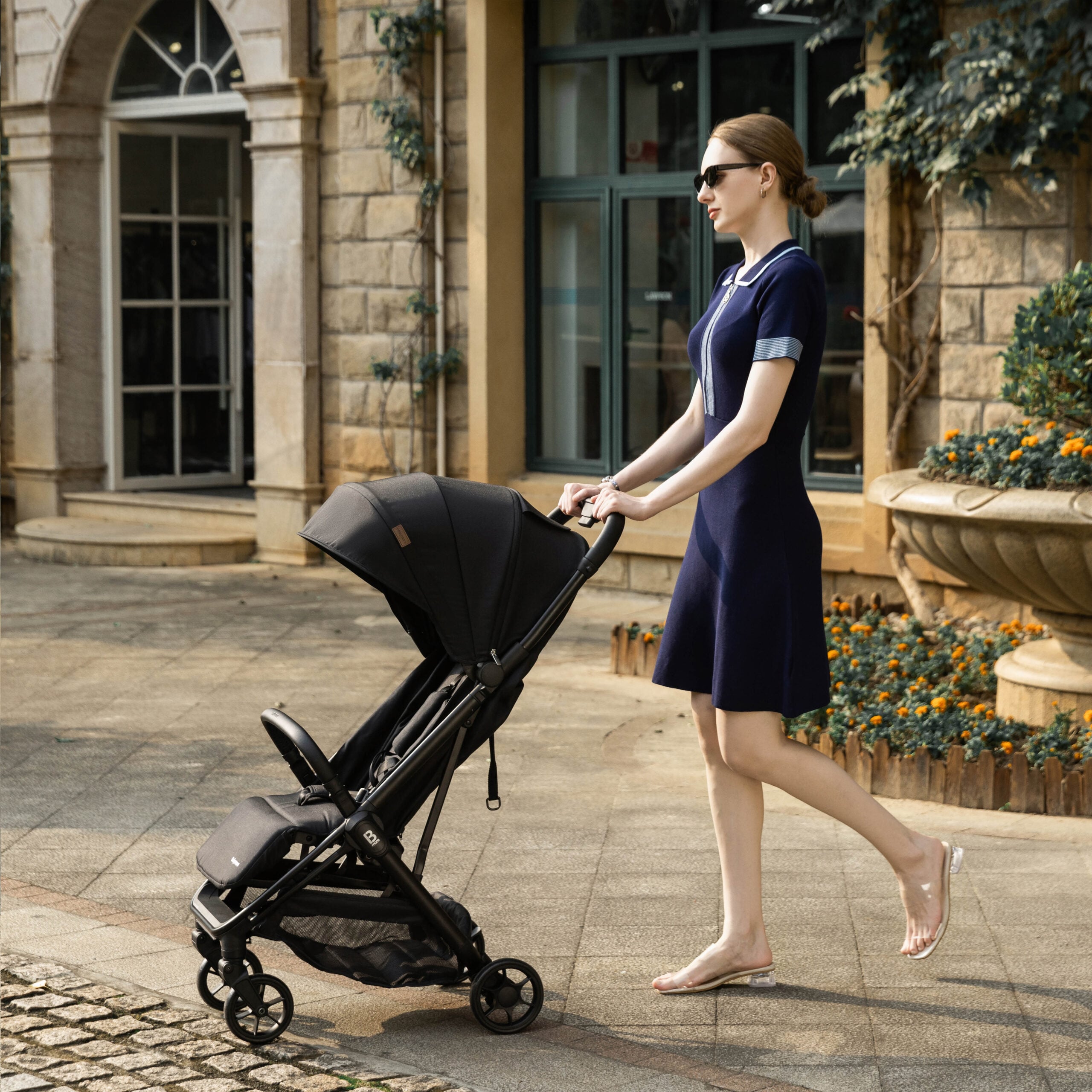
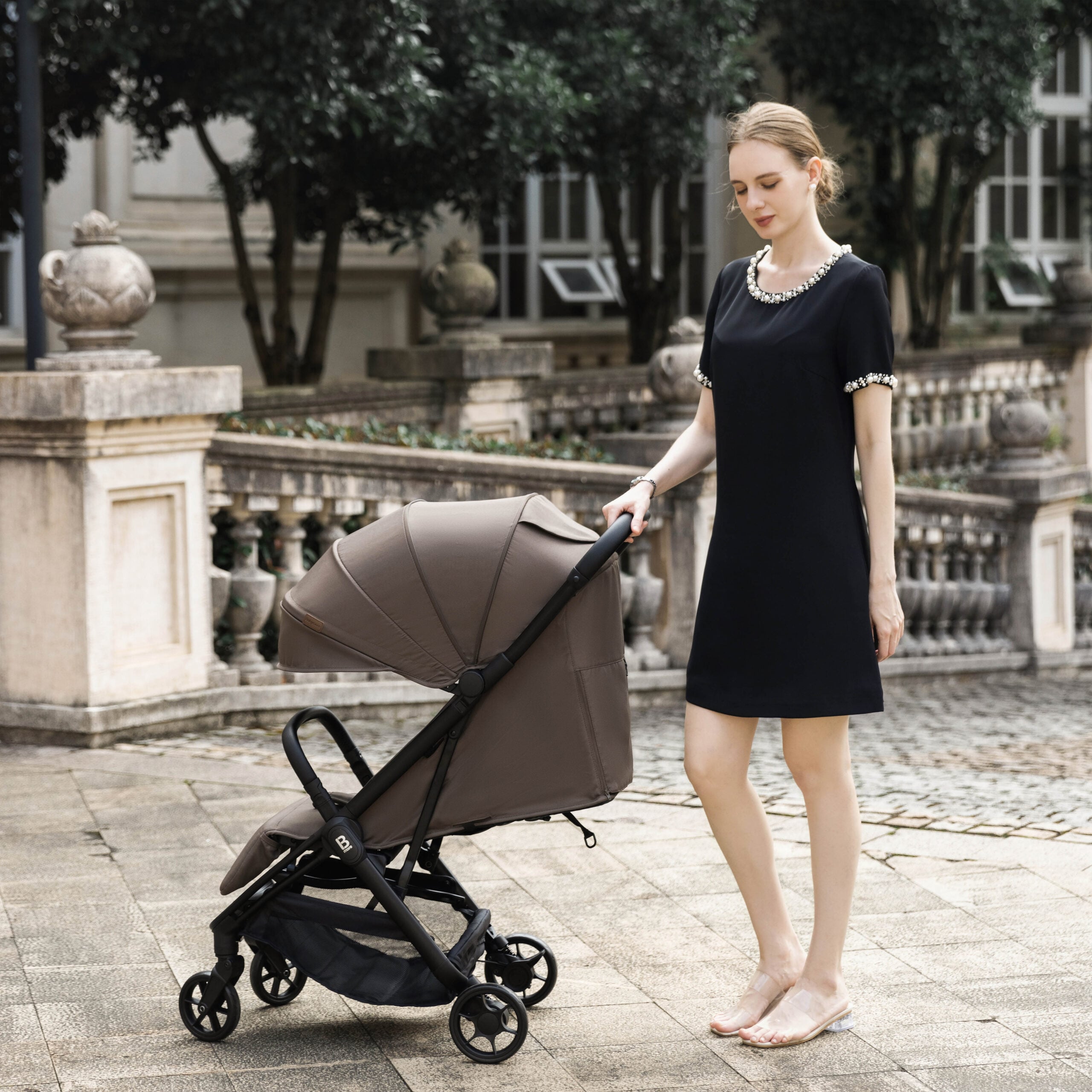
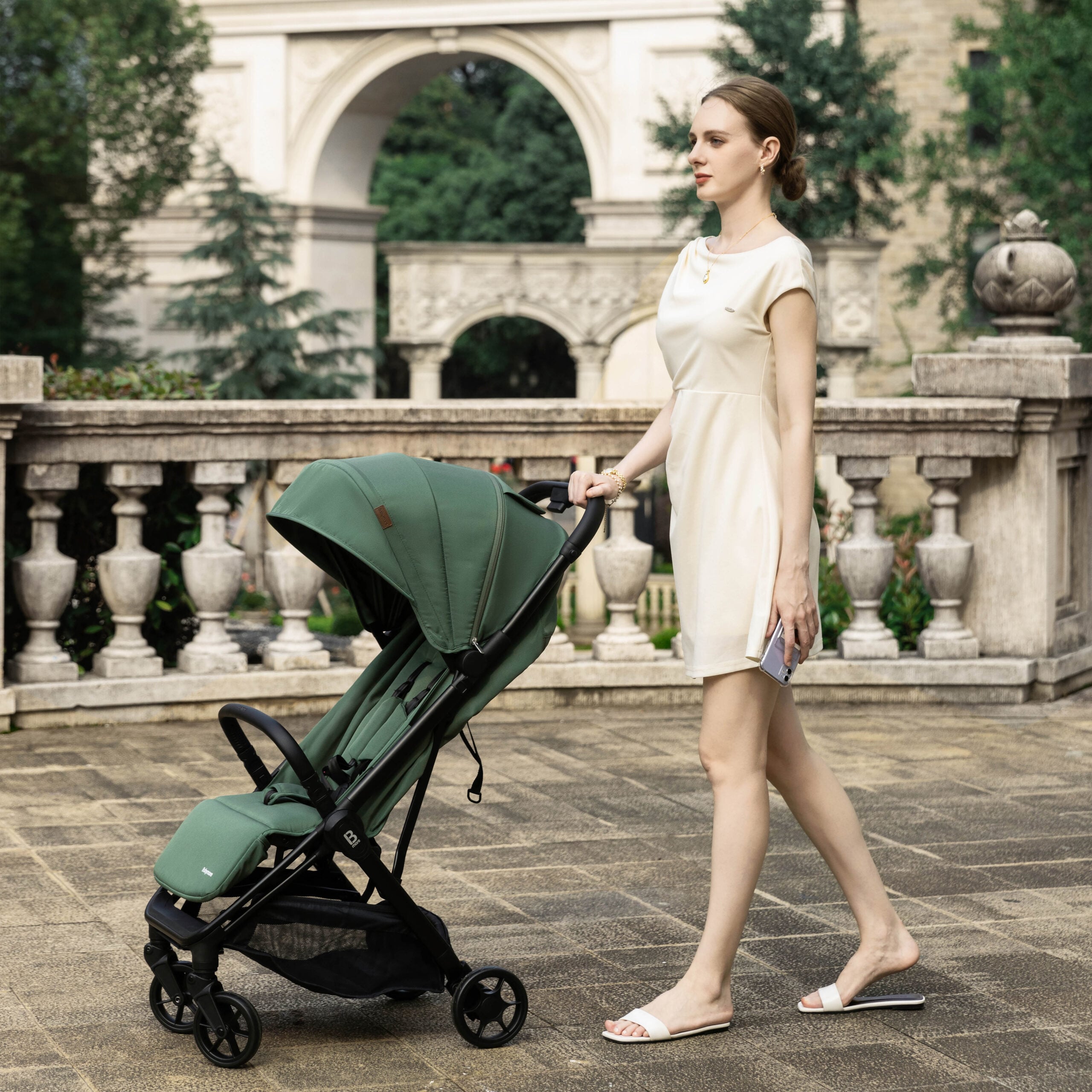
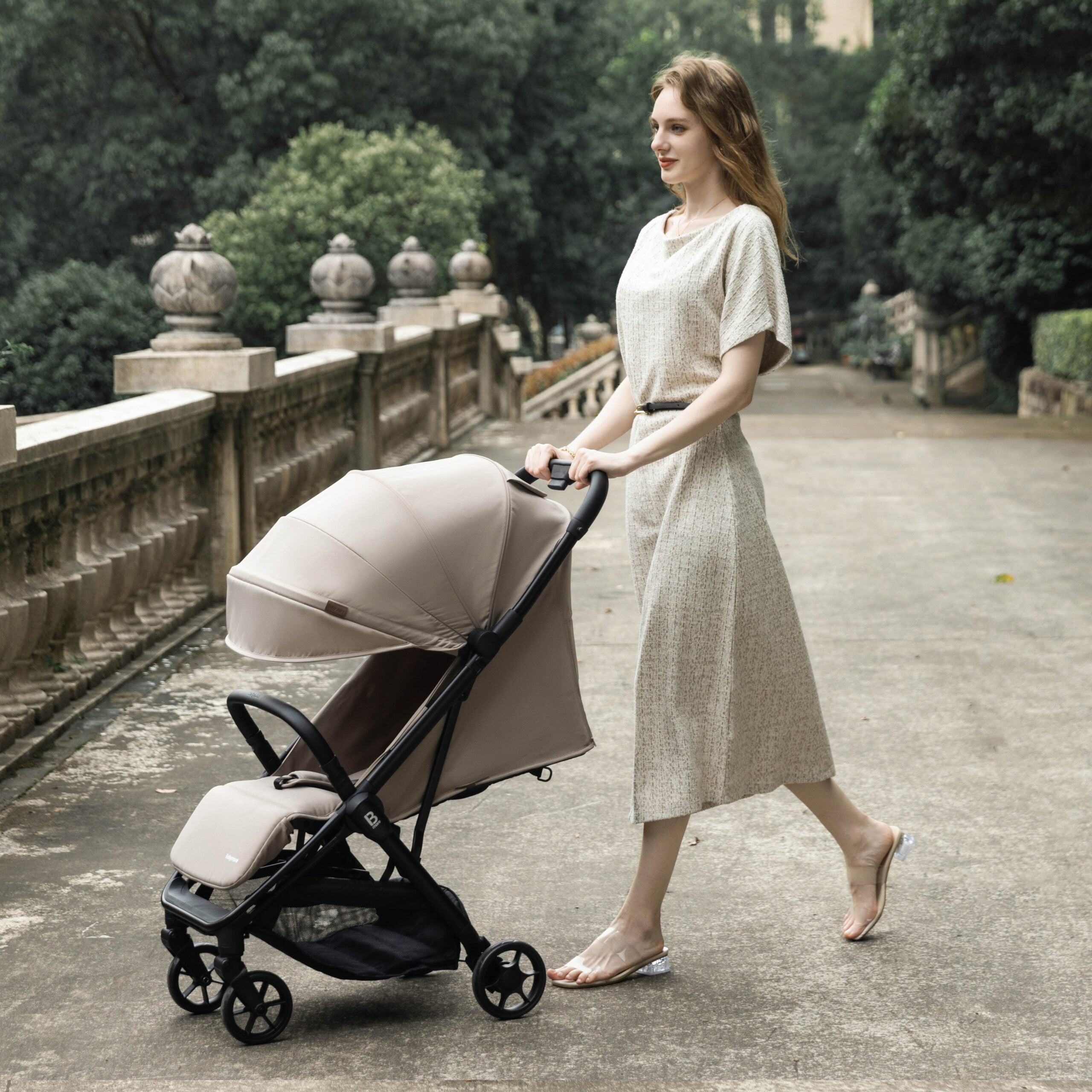








Whether you’re after a full pram and pushchair combination for the newborn stage or a lighter pushchair for a toddler who’s already walking part of the time, Babymore’s range covers the full journey. If you’re still working out the terminology, our guide on pram vs pushchair breaks down the difference before you start browsing.
The distinction matters more than it might seem. Pram mode uses a lie-flat carrycot, designed for newborns who can’t yet sit up, and supports healthy spine and hip development in the earliest months. Pushchair mode uses an upright or reclining seat, suited to babies who can sit unaided, generally from around six months onward. Most of our range covers both stages within a single chassis, so you’re not buying two separate products as your baby grows.
If you’re not sure when to make the switch, our guide on when to move your baby from pram to pushchair can help, and our guide on the difference between a pram, buggy, pushchair, stroller and travel system is worth a read if the terminology still feels confusing.
Beyond the pram-to-pushchair transition, day-to-day usability comes down to a few genuine differences between collections: wheel size and suspension for the terrain you actually walk on, how compactly the chassis folds for car boots or hallway storage, and how the handlebar and harness adjust as your child grows.
Large, manoeuvrable wheels and weather-ready accessories are built in as standard across the range, but the balance between ruggedness and lightweight convenience varies by collection. Our pushchair guide walks through how to match a model to your routine, and if storage space is a factor, our guide on storing a stroller compactly is worth a look too. Thinking about accessories? Our guide on pram and pushchair accessories covers what’s worth adding.
A pushchair sees genuine daily wear, kerbs, gravel, being folded and unfolded constantly, so routine maintenance goes a long way toward keeping it running smoothly for years. Regular cleaning and checking the harness and brake mechanism for wear are both worth building into a habit; our guides on pushchair maintenance tips and how to clean a pushchair cover the everyday care worth prioritising. If you’re heading into a new season, our guides on getting your pushchair ready for autumn, preparing your pushchair for winter, and choosing the best pushchair for summer adventures are worth a read too.
A pushchair is typically forward-facing and collapsible, while a pram is designed for newborns, with a flat, fully reclined position and larger wheels.
There are many models offering fully reclined positions for newborn babies. So, babies can go in the pushchair right from birth.
Most airlines allow you to take a pushchair on board, either storing it in the cabin or checking it at the gate.
Wipe down the frame with a damp cloth, remove fabric components for machine washing, and follow the manufacturer's cleaning instructions.
Prams are suitable for newborns and young infants who need to lie flat. They offer a comfortable and secure environment for early stages.
A pram is designed for newborns and offers a fully reclined position, while a stroller is more upright and suitable for older infants as well as toddlers.