As children develop, teething is one of the numerous developmental milestones parents anxiously monitor. Although it usually comes with known symptoms such as drooling, gum tenderness, and crankiness, many parents also notice alterations in their child’s digestive patterns—particularly the sudden onset of diarrhea.
This brings up the frequent and valuable question: Is diarrhea normal when teething? Although timing might imply a connection, medical experts have a different explanation. In this article, we look at what really happens when teething, what the science indicates about the connection to diarrhea, and how parents can best react when digestive problems come up during this phase.
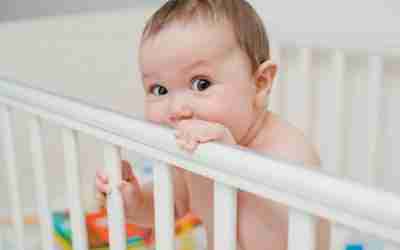
Teething usually starts when babies are between 4 to 7 months old, but it can start earlier or later. The process of a baby’s teeth gradually emerging through the gums naturally causes pain and sensitivity. Therefore, most babies:
These are widely documented and recognised symptoms. Numerous parents also report looser stools or more frequent bowel movements, which gives rise to the theory that diarrhea and teething may be connected. You can learn more signs of early teething here.
Diarrhea is not the direct result of teething, according to medical literature and child health specialists.
While teething itself does not result in diarrhea, a number of indirect causes during the teething process can contribute to digestive discomfort:
Infants secrete much more saliva when they are teething. Some professionals feel that swallowing this excess drool can loosen stools somewhat, but not enough to result in full-blown diarrhea.
Teething infants like to gnaw on their hands, toys, and objects they can access. This subjects them to higher levels of germs and bacteria, particularly if the objects are not cleaned as often. Subsequently, the babies develop a mild gastrointestinal infection, which manifests as temporary diarrhea.
Many babies start solid foods around the same time they begin teething. New foods can irritate a baby’s sensitive stomach or cause changes in bowel movements. The digestive system is still developing, and it may react unpredictably to unfamiliar ingredients.
As infants develop, they experience natural changes in immunity and digestion. These can predispose them to more vulnerability to mild viral infections or stomach bugs during teething time—once more resulting in diarrhea concurrent with teething and not as a result of it.
Diarrhea in infants is typically characterized as:
If your baby has diarrhea, it’s important to monitor their symptoms closely. While occasional loose stools may not be alarming, certain signs should prompt a call to your paediatrician:
These signs would indicate a viral or bacterial infection that requires a doctor’s care, and ought not to be ignored as being part of teething.
If your baby is teething and has mild gastrointestinal changes, here are some easy things you can do:
Make sure your baby remains well-hydrated. Provide breast milk or formula more often, and if your baby is over 6 months, your doctor might suggest small amounts of water or oral rehydration solution.
Use safe teething remedies to help your baby feel more comfortable:
Skip teething gels or products that contain benzocaine except on doctor’s prescription.
Wash toys, teething rings, and pacifiers frequently. Frequent hand washing of the baby will decrease the risk of ingestion of bacteria from surfaces or objects.
If your infant has begun solids, provide bland, gentle foods like bananas, rice cereal, applesauce, or plain toast—commonly called the BRAT diet. Steer clear of juices, sweets, and new foods during a bout of diarrhea.
If you wish to learn about the natural remedies to ease baby teething pain, click on this informative blog by Babymore.
Although most parents perceive a correlation between teething and diarrhea, health professionals believe the connection to be indirect, at best. Teething will not produce diarrhea on its own, but behaviours and changes which accompany this time period—mouthing unclean objects, swallowing saliva, or introducing solids—can make an infant susceptible to stomach upsets.
The most important thing to take away is this: If your baby has diarrhea, don’t automatically blame it on teething. Watch for the symptoms, offer comfort and fluids, and see your healthcare provider if symptoms continue or worsen.
Knowledge of this difference can help you better care for your baby and keep them comfortable during both teething and digestive upset that can occur.