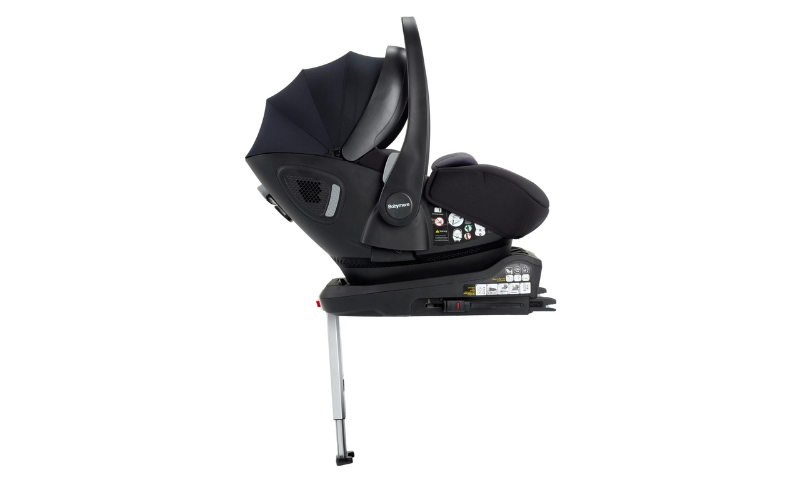
Choosing a car seat sounds simple… until you realise how often you’re expected to replace it.
One for a newborn. Another for a toddler. Then a booster.
That’s exactly why multi-stage car seats (birth to 12 years UK) are becoming the go-to choice for modern families, especially those looking for a cost-effective car seat 2026.
But here’s the real question:
Are all-in-one car seats actually safe and worth it long term?
Let’s break it down clearly.
A multi-stage (all-in-one) car seat is designed to grow with your child, covering multiple stages in one seat — from birth up to around 12 years old.
Learn more in our guide on car seat regulations UK (R44 vs R129)
Any seat covering multiple groups is considered a multi-stage seat — meaning fewer upgrades over time.
Yes, multi-stage car seats can be safe in the UK when used correctly and meeting recognised safety standards such as R44 or i-Size (R129).
In the UK, car seat use is not just recommended — it’s a legal requirement.
According to GOV.UK:
Children must normally use a suitable child car seat until they are 12 years old or 135cm tall, whichever comes first.
This is why multi-stage car seats (birth to 12 years UK) are designed to cover the full legal usage period.
Here’s what actually matters for safety:
Safety doesn’t depend on the seat alone. It depends on how you use it.
Some multi-stage seats go even further — covering every stage (0+/1/2/3).
That means:
These are often called all-in-one car seats or featured in 4-stage car seat reviews.
Multi-stage car seats are designed with long-term use in mind — which is why so many UK parents are now choosing them.
Read more in our guide on top car seat trends in 2026.
Here are some of the key benefits:
With a multi-stage seat, you don’t have to buy a new car seat every few years. One seat can cover multiple stages of your child’s development. In the case of all-stage (0+/1/2/3) models, it can last from birth right through to around 12 years.
Because you’re not purchasing separate seats for each stage, multi-stage options are a cost-effective car seat 2026 solution for families planning ahead.
Finding a car seat that fits your vehicle properly can take time. With a multi-stage seat, you only need to go through that process once, rather than repeating it every time you upgrade.
These seats are built to adapt, making them a long-lasting toddler car seat option for growing families.
If you’re considering a long-term option, it’s worth exploring brands that offer reliable all-stage designs.
Explore the Babymore car seat collection, including versatile all-stage options designed to grow with your child from birth to 12 years.
While the long-term benefits are clear, the real value of a multi-stage seat comes down to its features.
Modern multi-stage car seats are packed with advanced safety technology, designed to keep your child protected and comfortable at every stage.
These are the key features to look for:
Many seats include enhanced side-impact protection, helping reduce injury risk during side collisions.
Some seats use impact shields, which help distribute crash forces across a wider surface, reducing pressure on key areas of the body.
Most multi-stage seats feature adjustable headrests, which are essential for maintaining proper positioning and comfort as your child grows.
Many modern cars include ISOFIX anchor points, allowing compatible car seats to be fitted securely without relying on seat belts.
ISOFIX can help reduce installation errors, although correct fitting is still essential regardless of the system used.
Explore our guide on ISOFIX car seat installation UK.
It sounds simple but this is where many parents get caught out.
Multi-stage seats only work well if you keep adjusting them over time.
Here’s a quick comparison to help you decide:
| Feature | Multi-Stage Seat | Separate Seats |
| Cost | Lower long-term | Higher overall |
| Convenience | High | Low |
| Longevity | Birth to 12 years | Stage-based |
| Fit precision | Good | Excellent |
| Setup effort | One-time | Repeated |
Most multi-stage car seats can be used from birth up to 12 years or 135cm in height (depending on the model and fit) in line with UK legal requirements.
Yes, for most families, all-in-one car seats are worth it because they are cost-effective, convenient, and safe when used correctly.
But they’re not perfect.
If you want maximum precision fit at every stage, separate seats may still be better.
A multi-stage car seat (birth to 12 years UK) is a smart choice for most families in 2026.
You save money.
You simplify decisions.
You reduce hassle.
Choosing the right car seat — and installing it correctly — plays a crucial role in keeping your child safe during every journey.
But remember:
It’s not “install and forget.”It’s “install and adjust as your child grows.”
1. Can a newborn use a multi-stage car seat?
Yes, but only if the seat includes proper newborn inserts and recline support.
2. Is ISOFIX necessary in the UK?
Not legally required, but strongly recommended for safety and ease of installation.
3. When should I switch to a booster seat?
Typically from around 4 years old, depending on your child’s height and weight
4. What is the safest car seat position in the UK?
The safest position is to keep your child rear-facing for as long as possible, and ideally place the car seat in the rear seats of the vehicle.
Learn more about the safest position in the car for baby car seats.
5. Are multi-stage car seats better than separate seats?
They’re more convenient and cost-effective but separate seats may offer a more tailored fit.