Buying a baby travel system is one of the biggest and most expensive baby purchases you’ll make. In 2026, parents are faced with more choice than ever—from compact city-friendly systems to all-terrain options built for countryside walks.
While having choice is great, it can also make deciding feel overwhelming.
This guide to buying baby travel systems in 2026 clearly explains what a travel system is, what to consider before buying, and common mistakes to avoid.
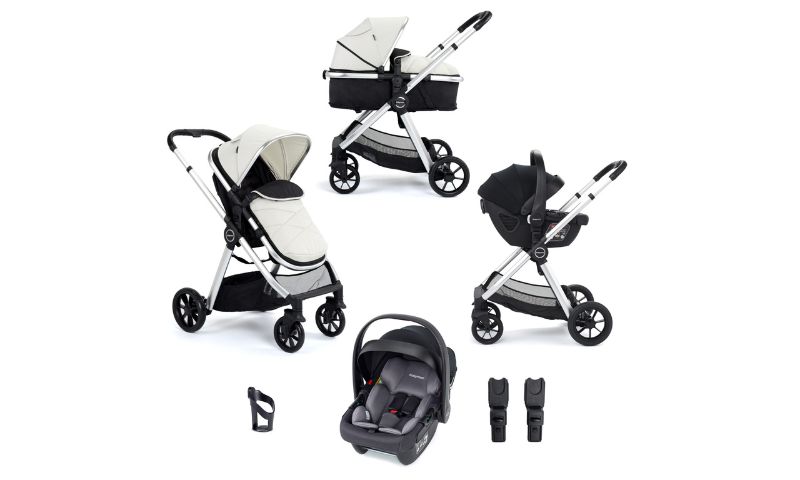
A baby travel system consists of a pushchair frame that works with other components, allowing you to travel with your baby from birth.
Most baby travel systems include:
One of the biggest advantages of a baby travel system is convenience. You can move your baby from the car to the pushchair without waking them, which is especially useful for short trips or sleeping newborns.
A travel system can be bought as a bundle or you can buy different components separately.
A twin travel system is designed to hold two car seats and / or two carrycots on the same pushchair frame, making it possible to transport both babies together from birth.
If you want to learn more about the travel system, here’s a well-curated blog by Babymore on what is a travel system.
Baby travel systems remain a popular choice because they:
In 2026, parents are also prioritising ease of use, compact storage, and longevity, especially in smaller homes and urban living spaces.
The main difference is that a travel system allows both a car seat and a carrycot to attach directly to the pushchair frame, while a standard pushchair usually does not. This makes travel systems more suitable from birth.
Car seat compatibility means a car seat can be attached directly to the pushchair frame. This is especially useful for short journeys or when your baby is asleep.
Compatibility varies by brand and model, and some pushchairs require adaptors, so it’s important to check this before buying.
These are the most important things you should always think about before buying a travel system:
Think about where your travel system will be used day to day. City pavements and shopping centres need lighter, narrower designs.
Rural areas and parks are better suited to travel systems with all-terrain wheels and good suspension to cope with uneven surfaces.
Choosing a system that matches your environment will make everyday outings far more comfortable for both you and your baby.
Practical size matters more than many parents realise. Before buying:
A compact, manageable travel system can make everyday life much easier.
Safety should always be a top priority when choosing a baby travel system. Look for systems that meet current UK and European safety standards, particularly for infant car seats.
Important safety considerations include:
Learn more about car seat safety.
It’s also important to remember that while car seats are convenient, newborns should not remain in them for long periods. A lie-flat carrycot is essential for longer outings.
A smooth folding mechanism is a key feature, especially if you’re often on the move.
To get the best long-term value, consider how future-proof the travel system is:
A travel system that adapts with your family can save you money and hassle later on.
Here are some common mistakes to avoid while buying a travel system:
If you’re looking for a reliable, well-designed travel system that offers excellent value and grows with your family, Babymore is a strong option to consider.
Babymore baby travel systems provide a smooth, hassle-free solution for parents on the move, offering comfort and safety for your child from newborn stage through to the toddler years.
Choosing the right travel system isn’t about finding the most expensive or most popular option. It’s about finding the one that fits your life.
When buying baby travel systems in 2026, focusing on safety, usability, and real-world practicality will help you invest in something that genuinely makes parenting easier.